Showing posts with label Mimosa quadrivalvis. Show all posts

Sunday, June 15, 2014

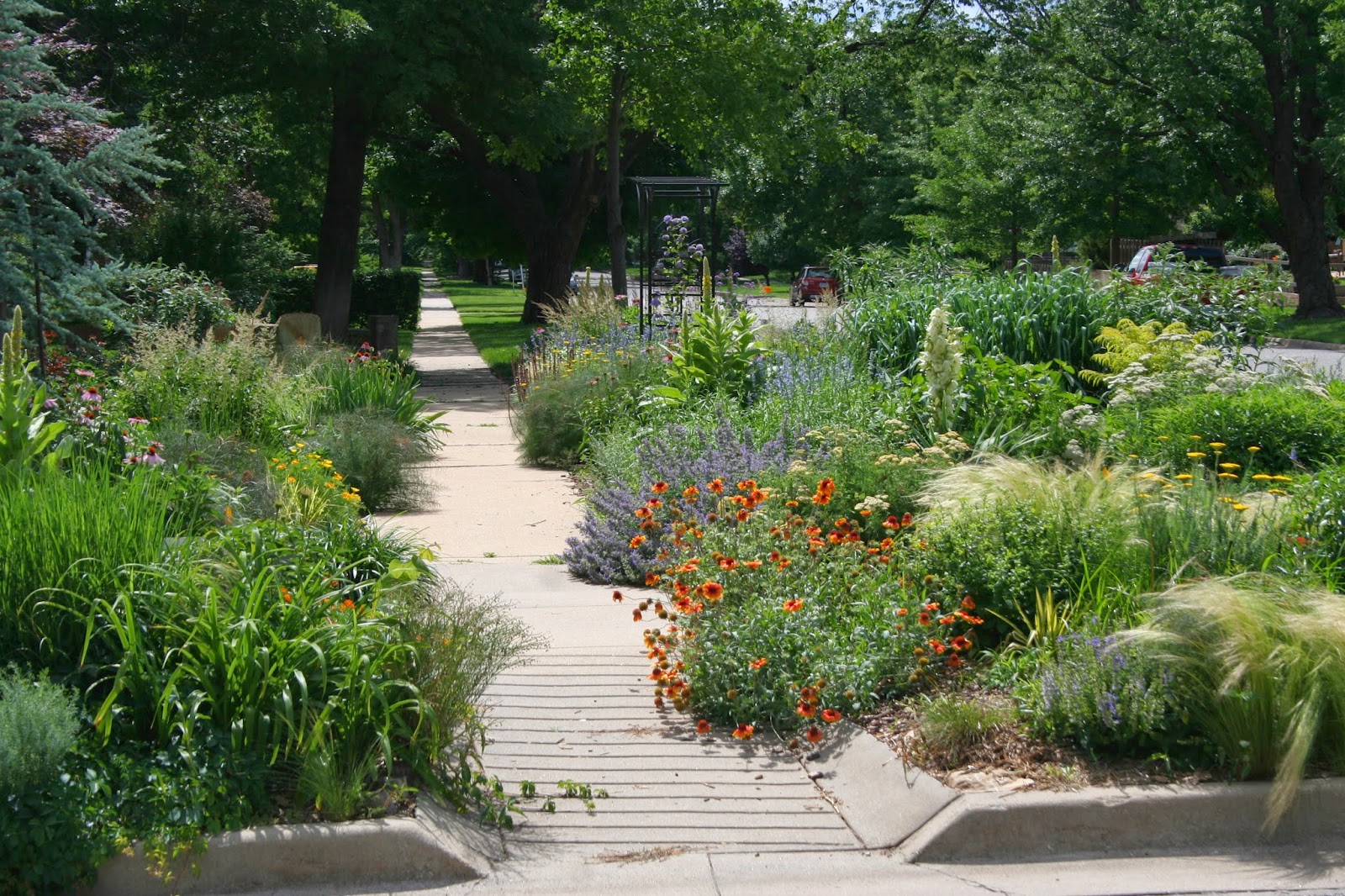
A Fathers Day Garden Bloggers Bloom Day-June 2014

I suppose if it wasn't for GBBD I would barely post at all. So thank you Carol at May Dream Gardens for hosting my monthly reminder.
It has been a relatively slow to bloom spring with alternate warm and cool weather this year. When I began planting my new perennial native bed in late April the temperature extremes fluctuated from 38 to 99 in two days. Now on this fathers day I am concerned about some newly planted natives I just received last week and our planned vacation next week and how they will survive while we're gone. Hopefully my watering fiend neighbor will do a fine job.
Onward with some photos:
Hollyhock in the Veggie Garden.

The entry Cottage Garden.
Cat Pink.
Purple Prairie Clover


Butterfly Milkweed Photo from the Cowley County Wildflower Tour


Happy GBBD!

Sunday, June 1, 2014

A Sensitive Catclaw

Every month on the last Wednesday, Gail with Clay and Limestone blog shares a meme to provide a place to link our native and wildflower blooms and plants. I'm a little late but I wanted to share this unusual Kansas native, Catclaw Sensitive Plant. 
Mimosa quadrivalvis - Catclaw Sensitive Plant
This plant really isn't too impressive until it blooms these round sparkling blooms. It reminds me of a woodland plant for some reason but it is prevalent in many prairies. I found this plant in a vacant industrial lot that I have derived many natives before.  Kids would be interested as the leaves fold up when touched.
Mimosa quadrivalvis L. var. nuttallii
Perennial
Height: 1-2 feet tall
Family: Fabaceae - Bean Family
Flowering Period: May-September
Stems: Sprawling, 1-6 feet long, strongly ribbed, covered with hooked pickles.
Leaves: Alternate, stalked.
Inflorescences: Heads, dense, spherical, 3/4 to 1 inch in diameter, talks 1 to 3 inches long, in leaf axis.
Flowers: Numerous, tiny, sessile, pink to lavender, calyces minute, 5-lobed, petals 5, united; stamens 8-12, filaments pink, anthers yellow.
Fruits: Pods, linear, 1 to 5 inches long, strongly ribbed, prickly; seeds namy, nearly square, smooth.
Habitat: Prairies, open woodlands, ravines, and roadsides, most abundant in dry, rocky or sandy soils.
Distribution: Throughout Kansas.
Comments: The leaflets are sensitive to touch and will fold together when disturbed. The tiny flowers are rarely seen due to the overshadowing stamens.
*Information courtesy of Mike Haddock Kansas Wildflowers and Grasses website.


Tuesday, June 5, 2012

Recovery II

Mollie the wonder dog and I returned to our land of treasure to search for the elusive Prairie Larkspur seed. Some of my fellow garden bloggers have requested seed and so our work begins. Read about the previous treasure hunt linked here: Recovery.
In a matter of days the vacant lot had changed from a lush cool season grass prairie(vacant lot) of brome grass to a more refined warm season prairie with summer flowering forbs and grasses. The brome grass seed heads have turned to a golden brown with the grey and green foliage of the summer forbs and sub-shrubs. 
Catclaw sensitive plant-Mimosa quadrivalvis and Downy Bromegrass-Bromus tectorum.
Amorpha canescens-Leadplant and Downy Bromegrass-Bromus tectorum.
Asclepias syriaca-Common Milkweed(best guess)?Apocynum cannabinum-Dogbane/Indian Hemp
Common milkweed seed.
Foxtail Barley-Hordeum jubatum
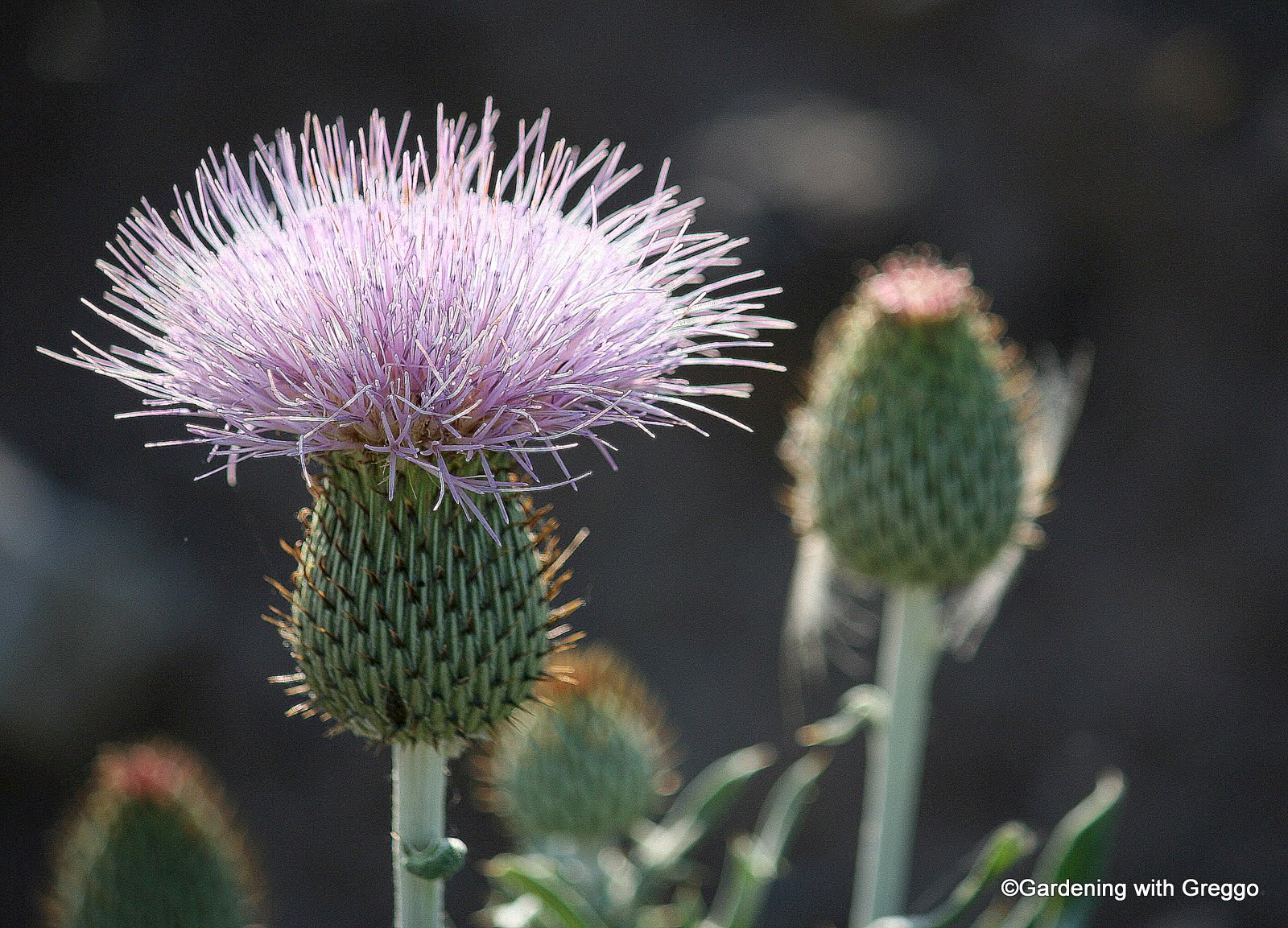
Waxy Leave Thistle-Cirsium undulatum
Whoolly Verbena-Verbena stricta(I think)
Whoops! Got a little sidetracked. I found the Prairie Larkspar! I had to review the photos from the previous post to locate the exact location. Original Photos:
There's the plants previously near the brush pile.
 A few days later......see it?
 It's the dead stick on the left side. ha ha. Nothing, no blooms, and no seedpods. While I was there I noticed a caterpillar. Need to get a photo of that.
Cool, but what's that next to it? A seedpod! I only got one seed. Bummer. Looks like my treasure hunt came up a little short. Guess I'll have to place closer attention next spring. Sorry folks.


Sunday, May 27, 2012

Recovery

Mollie (the wonder dog) and I were gallivanting around the local Winfield industrial park recently looking for treasure. I like to take Mollie out to where my workplace headquarters are in order for both of us to get exercise. Mollie a red border collie needs to have as much running and herding as she can get to stay happy, and I also like to search for native plant treasure. As you can see from the image below the difference between the mowed acreage to the right and the non-mowed to the left. The left being a vacant lot with piles of excavated soil from a water retention pond created in the background of the image. The owner has a manufacturing plant to the left of this lot. This year the company has decided not to mow this area except near the access road. I'm positive this is done not to let the prairie revive but to save money.
Therefore, by allowing the vegetation to grow the prairie has grown back to it's former glory. This  image is taken in the other direction. Notice the manicured turf in the background with Pinus nigra and Quercus rubra trees near the access road. Now this is what border collies love! Mollie's barking:where's the sheep? All you give me to chase are squirrels!
What a beautiful scene. Prairie recovery at it's best with limited resources. Sure there are a few non natives and noxious weeds, but overall it's pure. Alchillea millefolium-western yarrow, Koeleria macrantha-June grass, Vicia villosa-hairy vetch, Psoralidium tenuiflorum-wild alfalfa, Amorpha canescens-Leadplant, Mimosa quadrivalvis - catclaw sensitive briar, Dalea purpurea- purple prairie clover  and various other grasses, milkweeds, too numerous for me to ID.
 
I suppose beauty is in the eye of the beholder, however I don't understand why more people don't do this. Common yarrow and trifoliate clover.
Amorpha canescens
 Mimosa quadrivalvis-Catclaw Sensitive Briar, when you touch the leaves they shrink.
Koelera macrantha-June grass, Mimosa quadrivalvis-Catclaw sensitive plant, and Downy brome.
Delphinium carolinianum-Prairie Larkspur
Ahh, time to find treasure in this pile of debris.
What ya got in the truck Mr. Nelson, my wife asked when I returned?
Why treasure of course, mate! 
I'm happy to say everything has survived except the Snow on the Moutain(which I'm sure is too aggressive anyways).